 Kratom Regulatory Briefing
Kratom Regulatory Briefing
Kratom Regulatory Briefing
Scientific, public health, and ADA-relevant considerations for policymakers weighing kratom regulation — grounded in federal findings, peer-reviewed research, and consumer data.
This briefing distinguishes natural kratom leaf — a botanical regulated as a consumer product — from synthetic and semisynthetic compounds sold under the same name. That distinction is central to any state or local government considering how, or whether, to regulate kratom.
Reported reasons for kratom use
Johns Hopkins University survey of 2,798 kratom consumers (2020) · Use the arrows below, ← → keys, or swipe to move through the briefing.
Natural kratom leaf is a botanical, not a synthetic drug. Under federal law, the FDA approves drugs, not plants. Botanicals fall under consumer product safety and local regulatory frameworks.
Since 2023, synthetic and semisynthetic products falsely marketed as "kratom" have proliferated. These substances are pharmacologically as far removed from natural kratom leaf as heroin is from a poppyseed muffin.
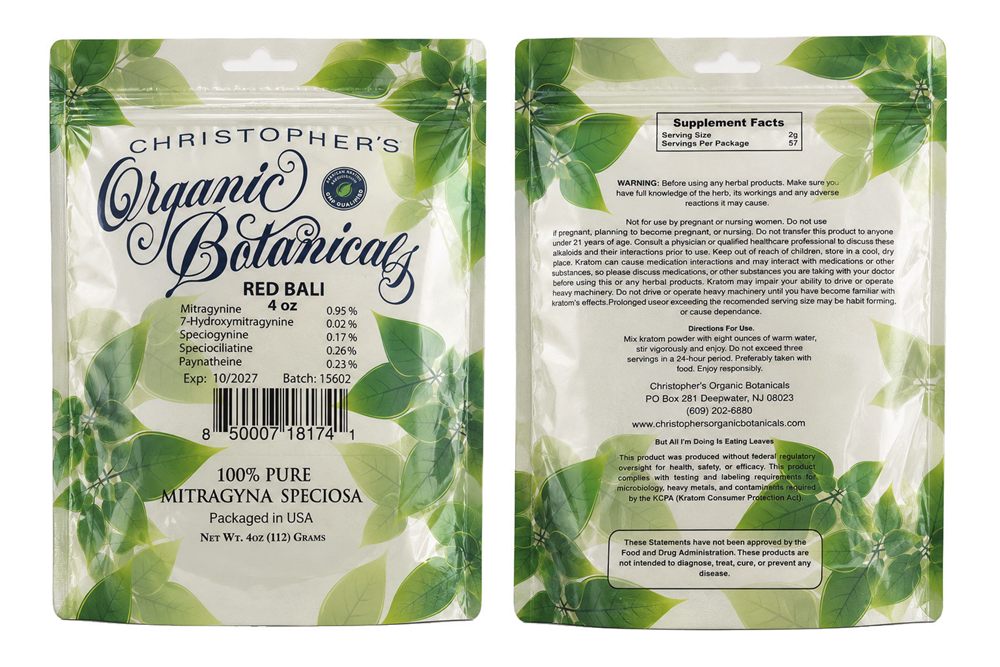
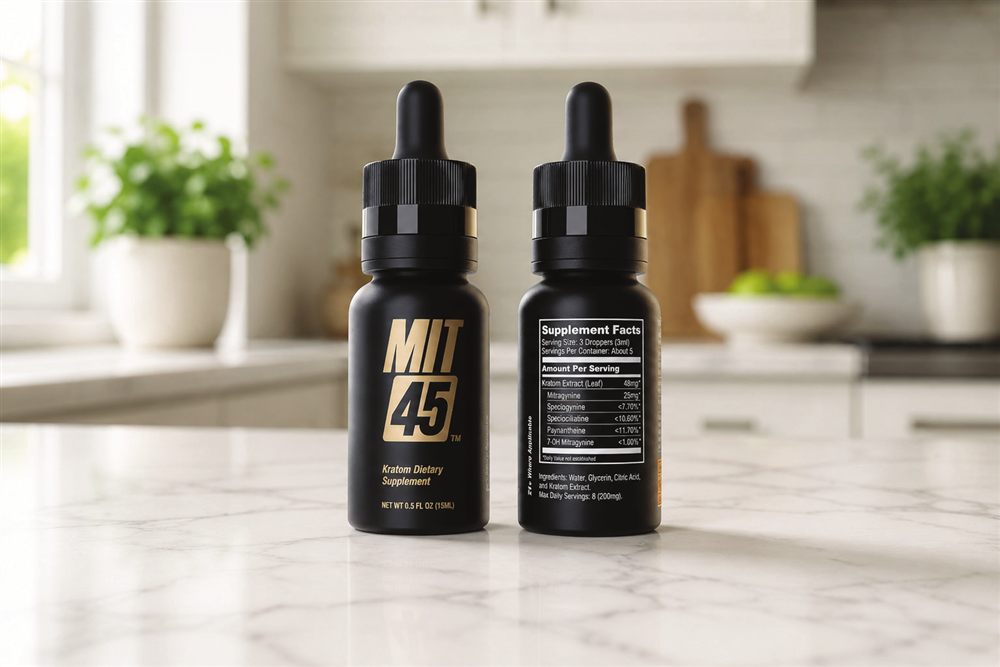
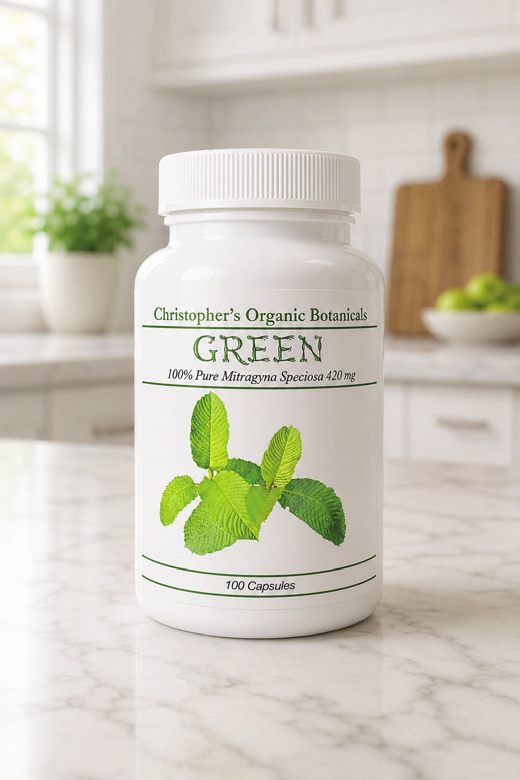
Powder and extract products, batch-tested for alkaloid levels, properly labeled with warnings and directions for use.
Source: IPHA Compliance Guidelines — Natural vs. Synthetic Kratom flyer, May 2026.
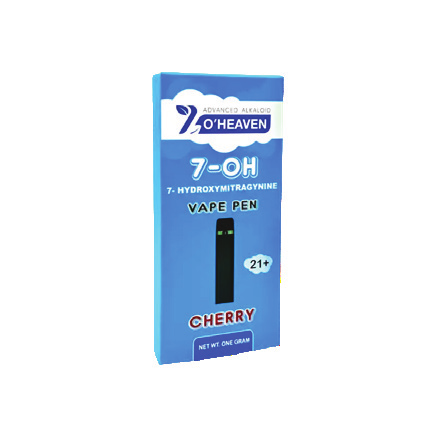
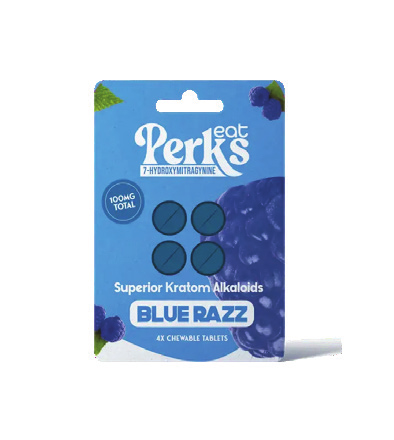
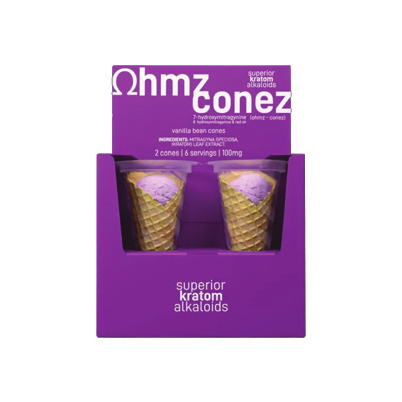
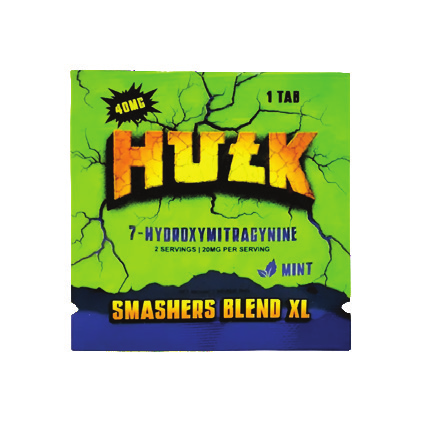
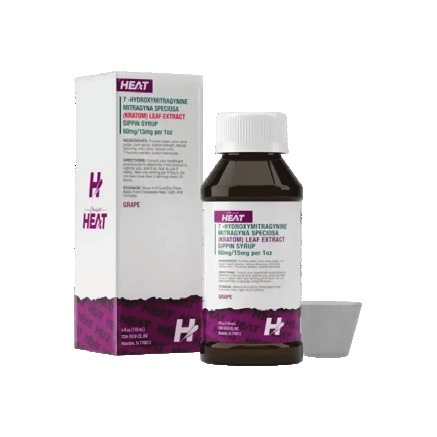
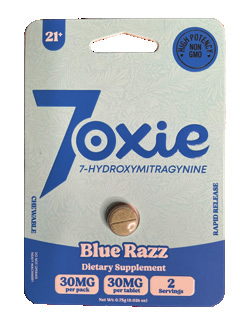
Product name mimics opioids ("7-OH," "Perks," "7-Oxie"); packaging mimics medication (cough syrup); contains semisynthetic or synthetic 7-OH or synthetic analogues (pseudoindoxyl, MGM-15, MGM-16); some forms are inhalable or injectable.
Source: IPHA Compliance Guidelines — Natural vs. Synthetic Kratom flyer, May 2026.
In 2018, the U.S. Department of Health and Human Services withdrew its prior recommendation to schedule natural kratom leaf. Assistant Secretary for Health Dr. Brett Giroir concluded that available evidence "does not meet the criteria for inclusion of kratom or its chemical components in Schedule I."
He warned that scheduling natural leaf could lead to:
The DEA announced intent to temporarily schedule:
DEA stated these substances pose distinct risks because they are manufactured, concentrated, or synthetic compounds with potency not found in natural kratom leaf.
The 2018 HHS review and the 2026 DEA action are not in conflict — they evaluated two different things under the Controlled Substances Act's 8-factor analysis.
2018 HHS finding: Mitragynine and 7-OH, as they naturally occur in whole leaf, do NOT meet the criteria for Schedule I. The prior recommendation to schedule was withdrawn.
2026 DEA finding: 7-OH above natural levels, plus synthetic analogs that don't occur in nature (mitragynine pseudoindoxyl, MGM-15, MGM-16), DO meet the criteria for Schedule I.
Peer-reviewed toxicology and pharmacology literature consistently shows that natural kratom leaf has a markedly different risk profile than synthetic or high-potency extract products.
Key scientific points:
The Americans with Disabilities Act (ADA) applies to all municipal governments, including cities, villages, and towns. ADA concerns arise most clearly with possession restrictions, because possession directly affects individuals managing disability-related symptoms.
A policy may raise ADA issues if it:
For individuals who rely on natural kratom leaf to maintain daily functioning, a prohibition on possession may:
Reported reasons for kratom use
Many respondents used kratom to maintain daily functioning, including the ability to work. These findings align with broader data showing kratom is disproportionately used by individuals living with chronic pain, PTSD, anxiety disorders, and other disabling conditions.
Source: Johns Hopkins Medicine survey of 2,798 kratom consumers (2020); Garcia-Romeu et al., Drug and Alcohol Dependence (2020).
Federal scientific positions, public health evidence, ADA considerations, and consumer use data all support distinguishing natural whole-leaf kratom from synthetic or adulterated products.
This evidence base indicates that natural whole-leaf kratom and synthetic or adulterated products present materially different risk profiles. Regulatory approaches that do not distinguish between the two carry potential unintended consequences worth weighing.
Thank you for reviewing this briefing. Additional materials are available upon request:
Note: DEA Notices of Intent are part of an ongoing federal process and are not final orders. Readers should confirm current federal status before citing.
Additional scientific summaries, consumer safety frameworks, compliance checklists, and regulatory comparisons from other jurisdictions are available on request.